
Things I Have Learned From Claire Saffitz
a substack on why I think you should bake.

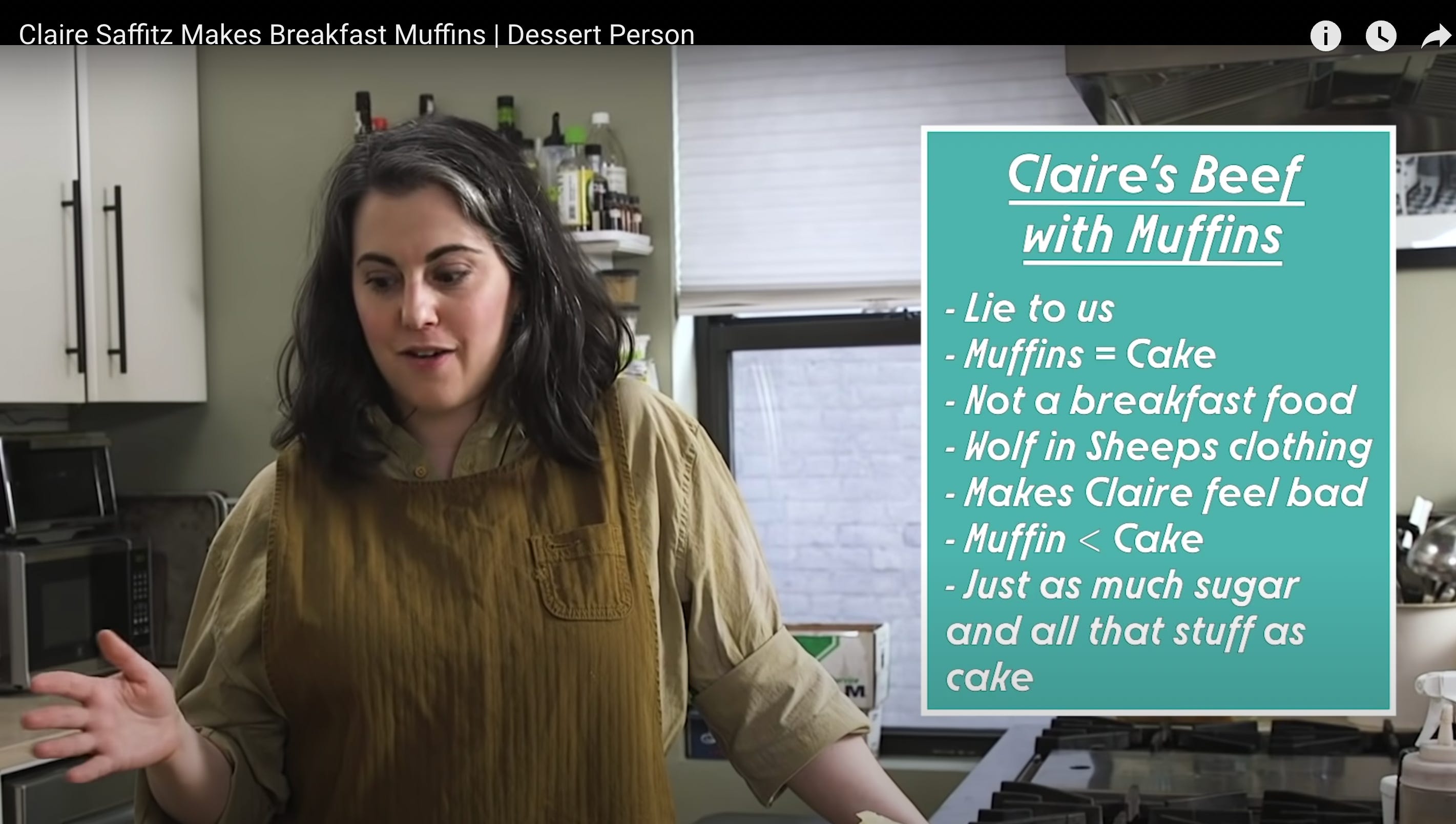
Fall is here, which feels like the right time to approach you with a topic I feel surprisingly strong about. (Or maybe unsurprisingly? Like, is it ever surprising that *I* feel *strongly* about *anything*?)
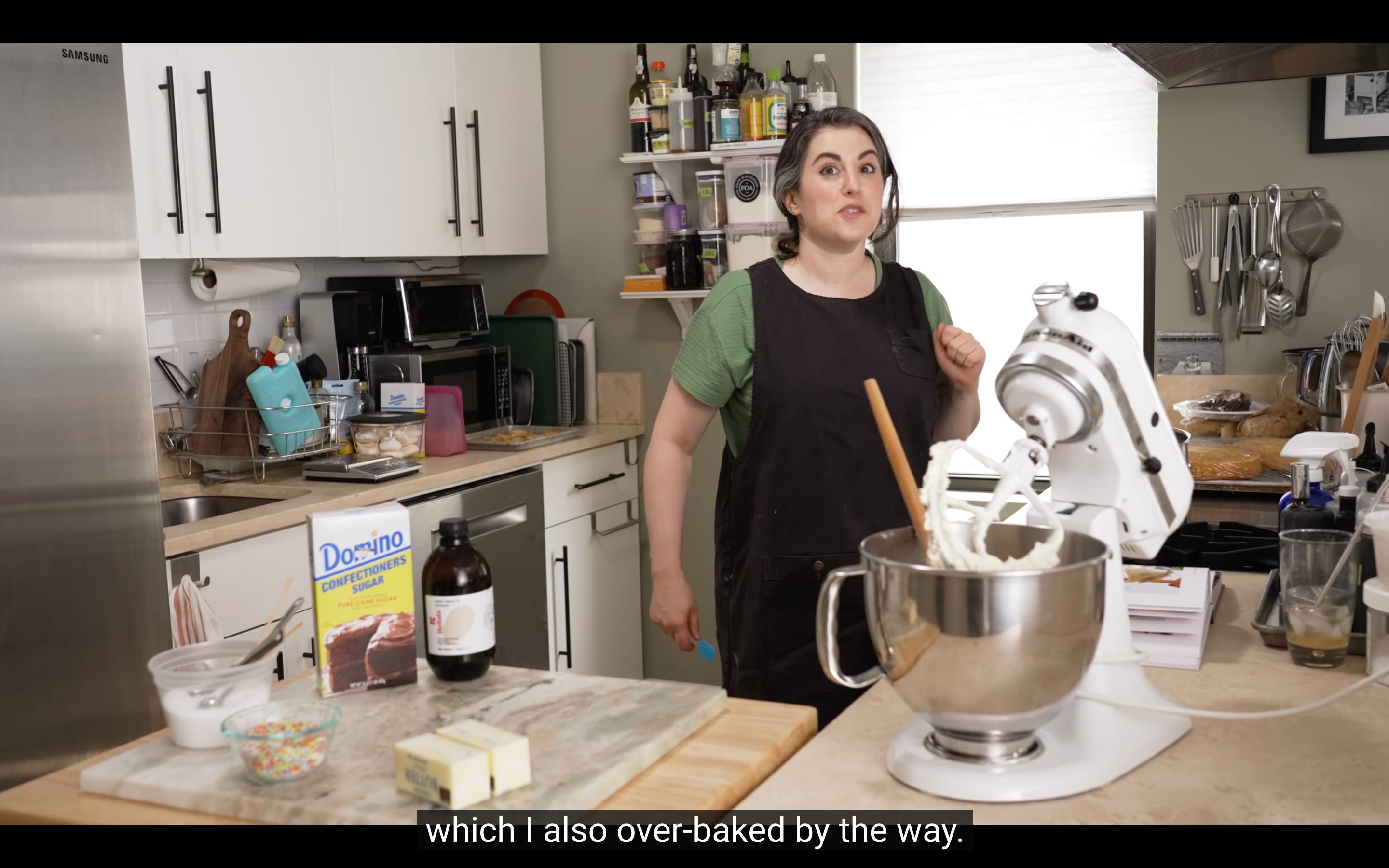
The topic is baking, and by that extension, my hero, Claire Saffitz.
Saffitz is pretty much the only chef/baker I steadfastly listen to. I have both of her cookbooks, I watch her YouTube channel like it’s TV, and if I’m ever browsing dinner recipes in the Bon Appetit archives, somehow, it always ends up being hers that I gravitate toward. If there is anything in the world I want to bake, I look to what she says about it first.
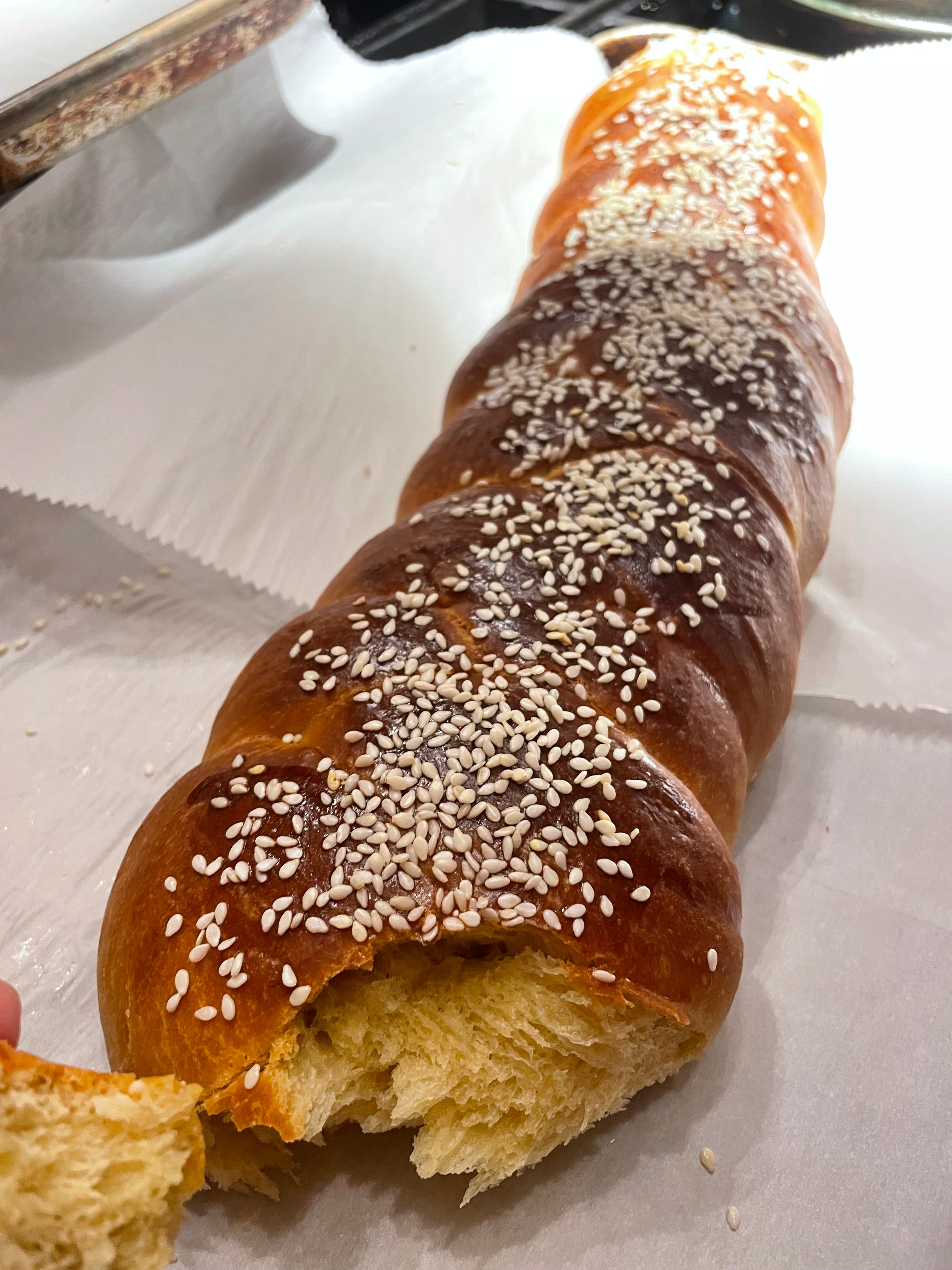
Baking is a skill that I have truly forcefully added to my arsenal. I say forcefully because, I’m serious, I forced myself to become good at it. When I first started to take on more difficult baking projects, my boyfriend at the time actually joked that it made no sense why I baked so often because I clearly hated it. He coined the term Margaret Meltdowns to describe the way I lashed out at everyone and everything around me when I experienced anything from a minor inconvenience to a catastrophic failure, which was often.
I was literally this Pingu meme, when I beheld my baked goods, the kitchen completely trashed:

But, that was the thing. I wasn’t baking because I felt naturally good at it or because of nostalgic grandmother memories or even because I really enjoyed it. I was baking solely because of how much I valued and craved the finished product. I wanted sourdough bread with giant holes; I wanted perfect chocolate chip cookies; I wanted puffy, well-risen croissants.
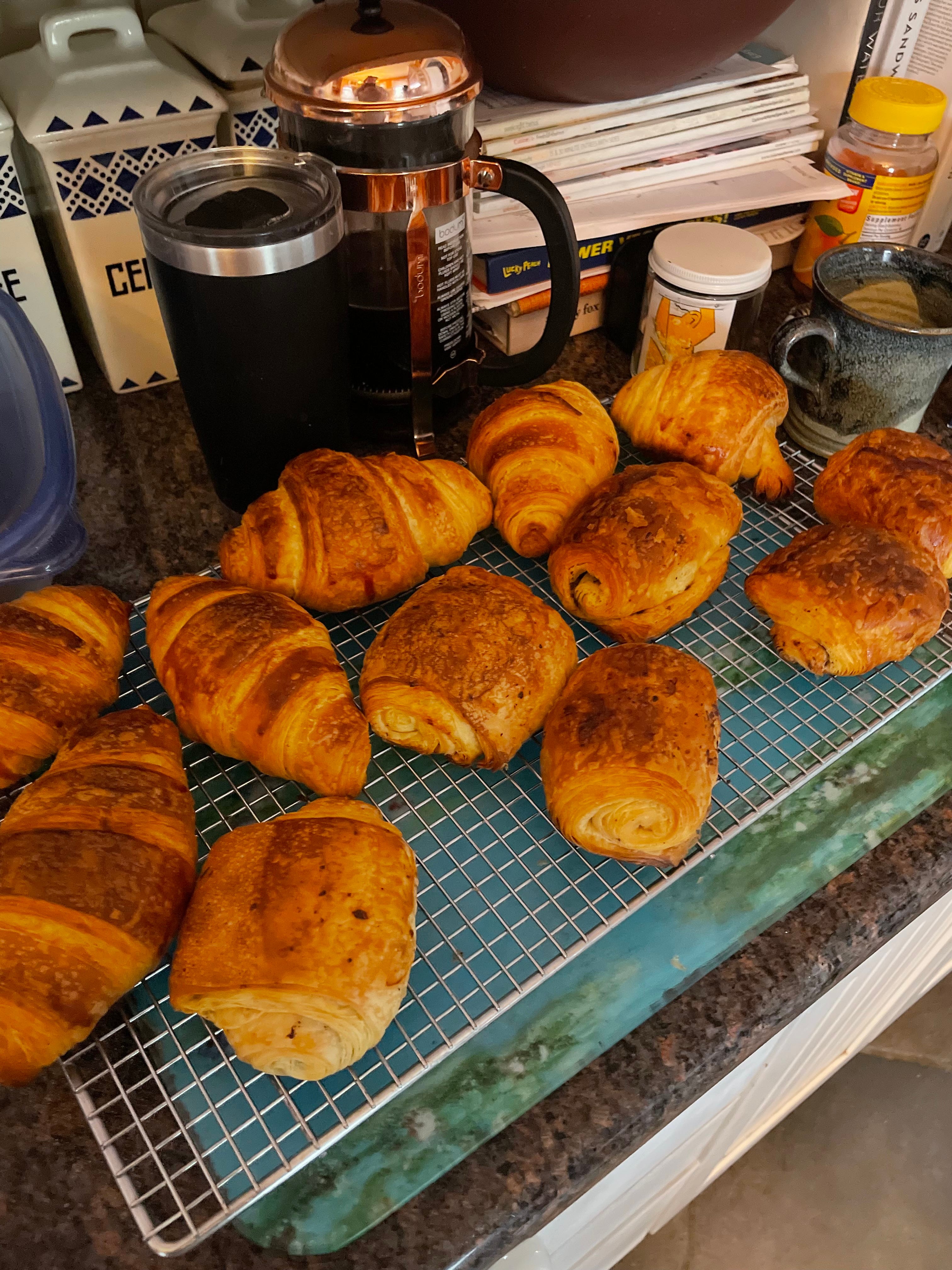
This is still why I bake. I love desserts and baked goods; ergo, I must bake them. It’s also why I think anyone and everyone should take up baking at any stage in their life, because it can provide rewards right away that are very tangible and gratifying.
However, the other reason I think you should bake is actually the more important one, and involves a more translatable skill:
It forces you to get used to failure.

How many times have you heard someone say, or said yourself, “I’m a great cook but I suck at baking, because baking is a science / requires you to measure / is too exact / etc. etc. etc.” ?
Tbh, I think this logic is more about being scared of failure than it is about how “exact” baking is or isn’t.
Because baking is not a science, in my opinion, any more than cooking is. There is no one who claims to be a great cook who hasn’t been taught, or taught themselves, the basic rules of cooking. You don’t just wake up one day knowing how to chop, sauté, and reduce a sauce. You don’t automatically know how everything tastes when combined with everything else. It’s all stuff you have to learn, in order to feel like you have the freedom to free-ball it when you cook your delicious off-the-cuff meals.
Baking is exactly like this. No one is just randomly amazing at baking. There are basic rules you learn along the way, and the more you operate within them, the better you naturally get.
The thing about baking, though, is that, compared to cooking, it can be harder to figure out why something didn’t work the way it was supposed to — and I think this is where the fear of failure comes from. But this, my dearest darlings, is where Saffitz comes in.
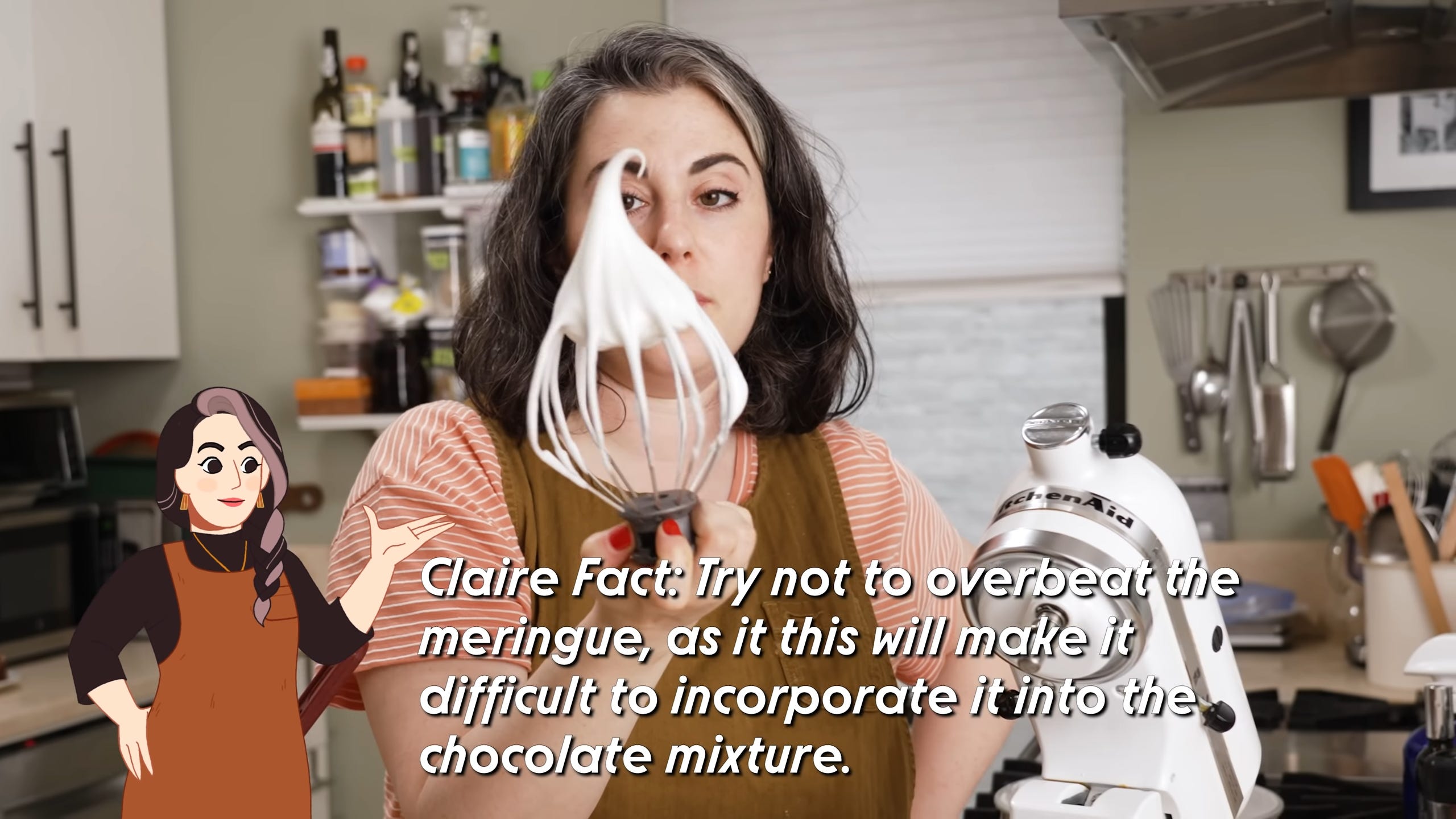
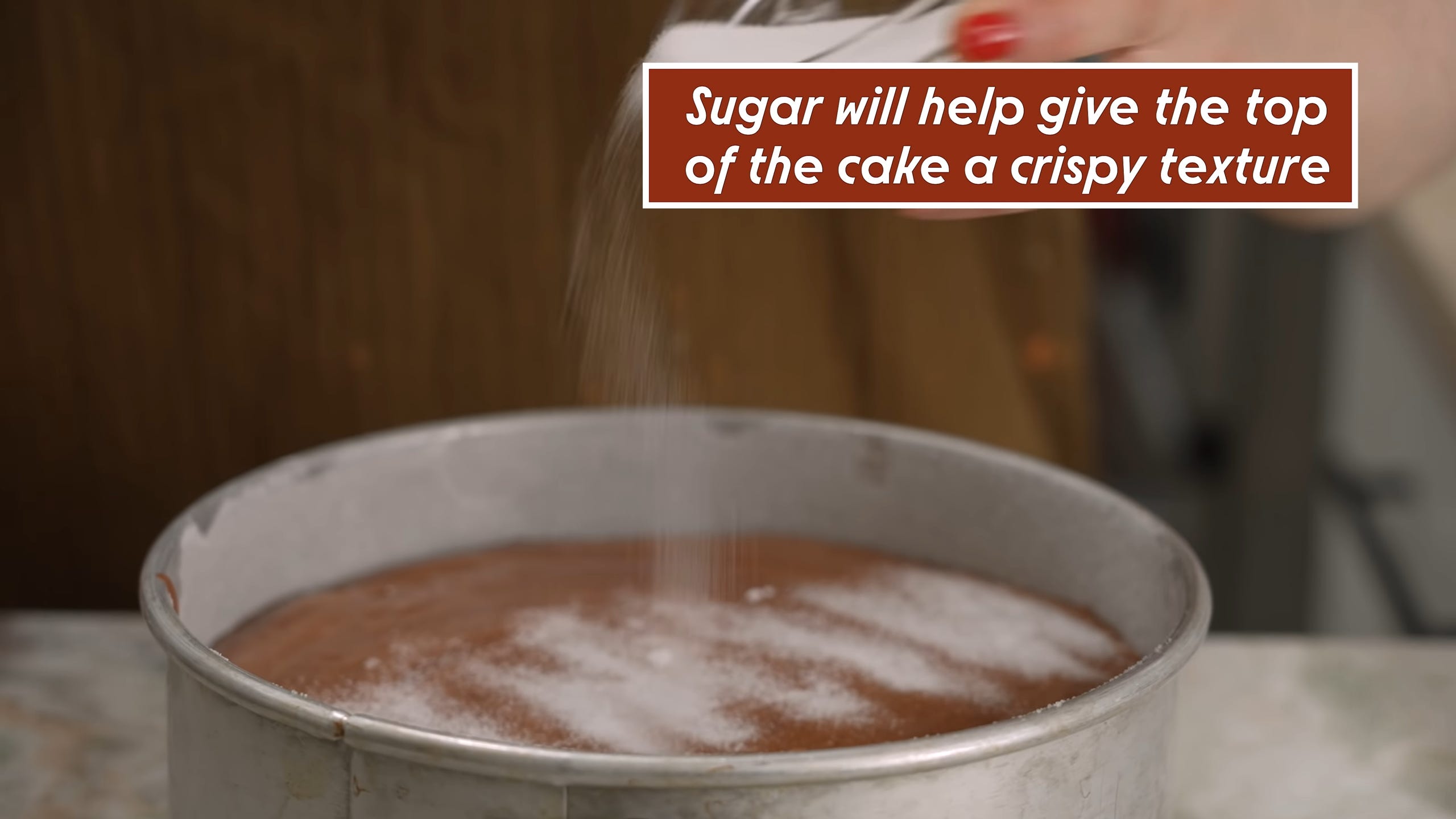
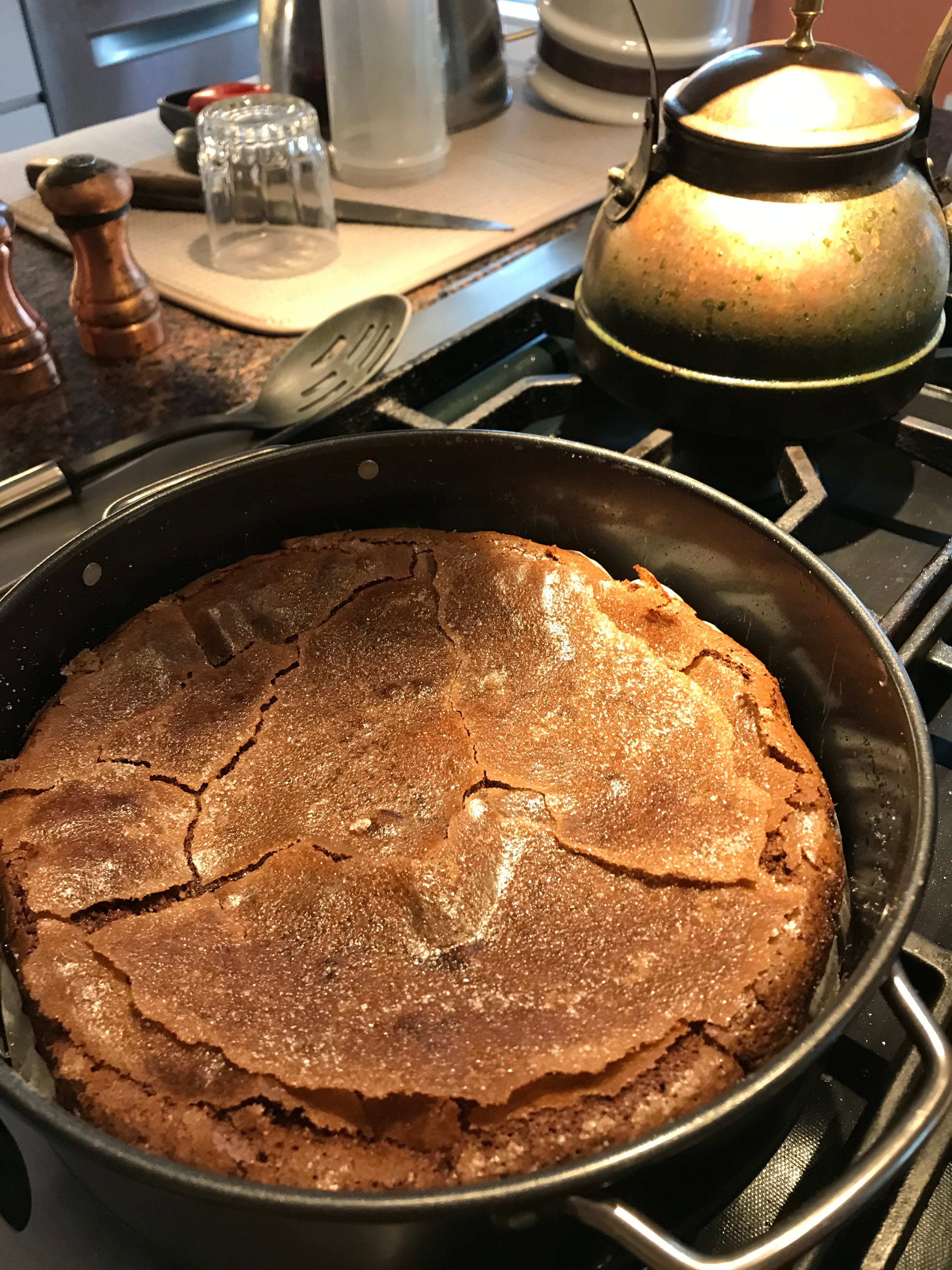
Claire Saffitz is every novice baker’s best friend. She is every expert baker’s best friend. She’s a Midwestern Virgo with a BA in history from Harvard and a master’s degree in early culinary history from McGill. Between the BA and master’s, she went to culinary school in Paris, and for any foodie people out there, her externship was at Spring. I think what I love so much about her is the fact that she hated working in a restaurant, even a restaurant with a reputation like Spring. She’s smart, thorough, down to earth, practical, and dedicated — all she wants is to achieve the best and most replicable version of a thing, and make that version of a thing more accessible to more people. You can see why to me, her recipes are Bible.
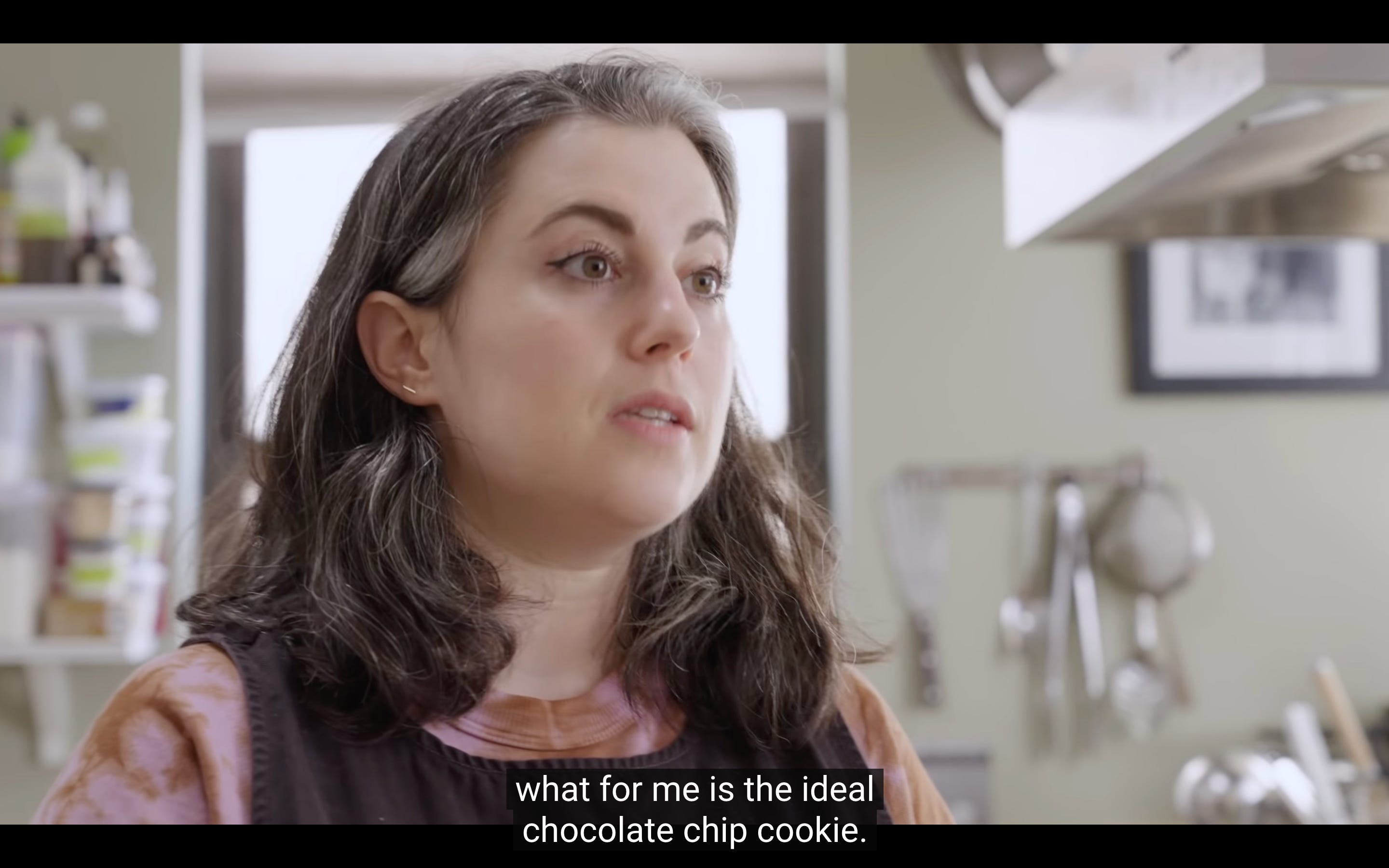
What I’m saying is, Saffitz has tested her recipes to the point that she has reduced the possibility for error. She has found dozens of ways for why something doesn’t work, so she is better able to explain why a chosen method does work.
I hate, HATE, being told to do something without understanding why I’m doing it. That doesn’t happen with Saffitz. Saffitz wants you to understand. She explains WHY the egg needs to be room temp, why you want to refrigerate the cookie dough, why you can’t skip certain ingredients or steps. (Or! Why, and when, you actually can!)
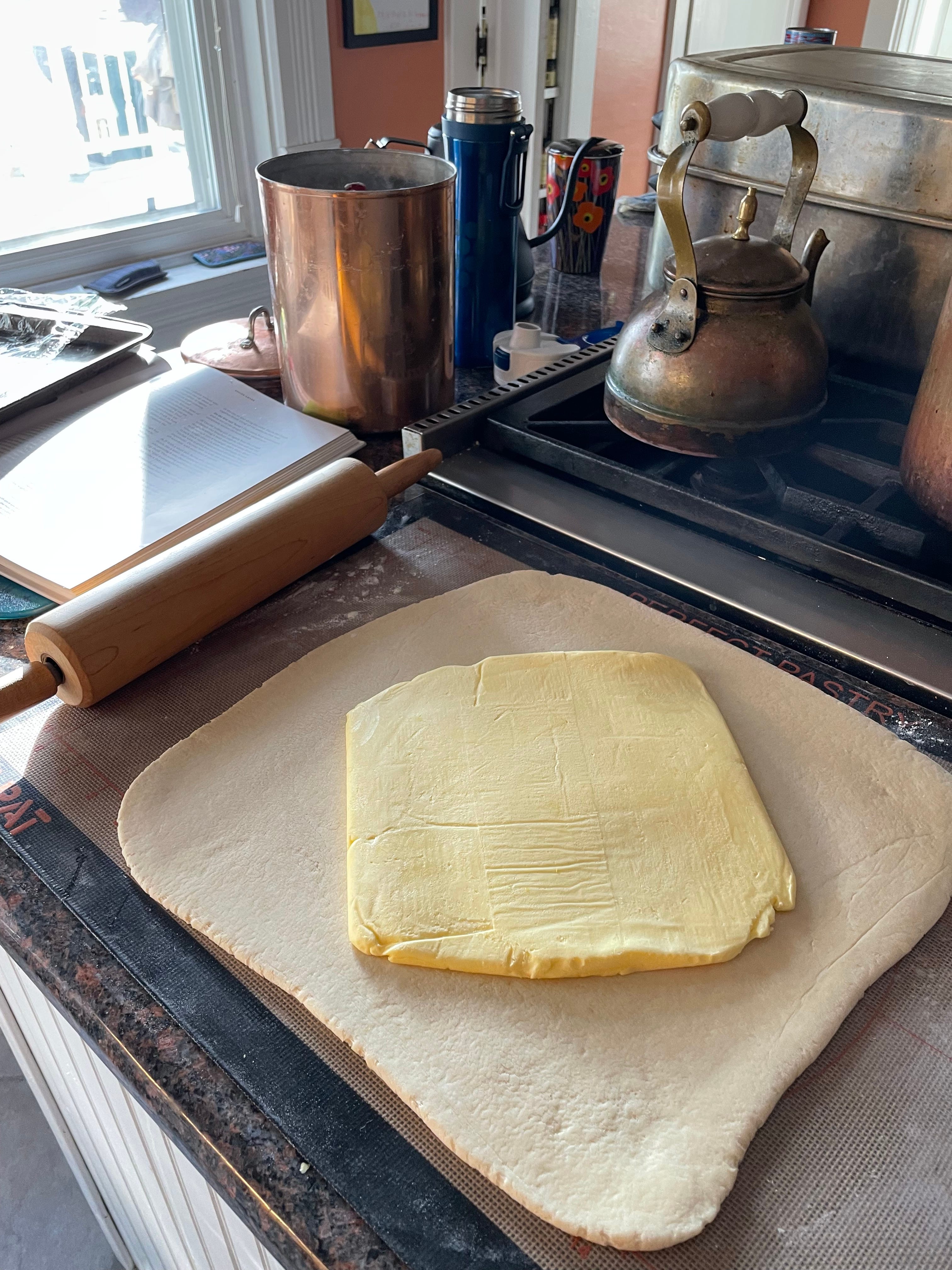
So, with my advertisements on behalf of Claire Saffitz as a person and baker out of the way, let me get into the things she has taught me.
1. Use your instincts
Cooking and baking BOTH require you to rely on instinct. Measurements and times need to be prioritized way less than how something looks, feels, tastes, smells — especially when you consider all the factors that vary from kitchen to kitchen, like, the temperature of your oven, the humidity of the air, your altitude, etc. etc.
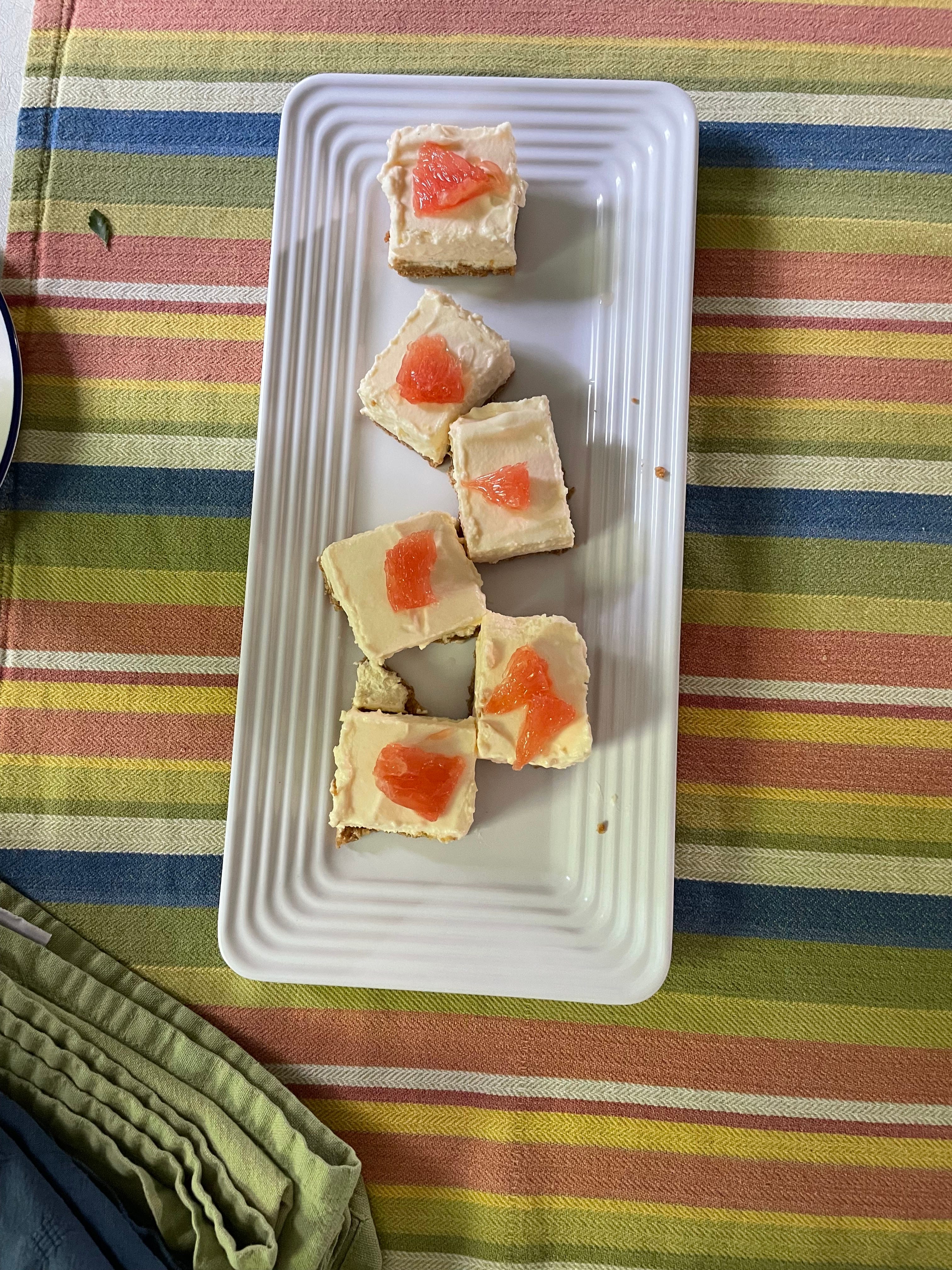
A little anecdote: I was making Saffitz’s recipe for grapefruit bars, and was at the step where I was reducing the filling on the stove. Saffitz had written: “Reduce for 10-15 minutes, or until it’s about 1 and 1/4 cups. Pour the mixture into a glass measuring cup every so often to check until it’s there.”
This bit of advice truly saved me from perhaps failing at the recipe; I was so inclined to take the mixture off the stove multiple times, and if I had been going off of time alone, I would’ve taken it off way too early. However, when it finally got down to the 1 1/4 cups she described, I then had a great visual for what she wanted it to look like — super thick, but still pourable. This means that Claire, when testing the recipe, took the time to actually measure how much she had once it got to the point she wanted it to look like, rather than only noting how long it took to reduce.
I’m telling you this both to emphasize the care she takes in writing her recipes, but also to stress that times and measurements are all relative. If your saucepan is, say, cast iron, it might take more time to cook something down than if you’re using stainless steel. If you size your cookies smaller than the weight Saffitz chooses for hers, they might take less time to bake.
If this scares you, don’t worry!! Saffitz’s recipes help you develop those instincts (especially when you watch her videos!).
2. Use your freezer
In every recipe, Saffitz notes whether or not any parts can be made ahead, and which can even be frozen until needed. You can bake a cake and then freeze it for a few days until you’re ready to frost; you can make a huge batch of frosting and freeze it for months until you make a cake. You can (and SHOULD) freeze your cookie dough, so that you are, at all times, 10 minutes away from a freshly baked cookie (whenever I make a batch of cookie dough now, I bake like 8 of them and freeze the rest!). You can freeze pie crust, puff pastry, pizza dough.
I have taken this attitude of freeze it and forget it even further; I freeze egg whites, I freeze butter, I freeze milk. These ingredients can all be thawed when they are needed and will work like normal for whatever recipe you need them for (just FYI that thawed milk will look grainy because of fat separation, especially if it’s whole milk! Freezing milk is also clutch if you are going out of town — just never freeze a completely full bottle, as it will expand!).
3. Use what you have
Saffitz is always up front about what kind of special ingredients or equipment will be required for each recipe. Access is a huge part of her recipe-writing, and she also assigns recipes to a certain season.
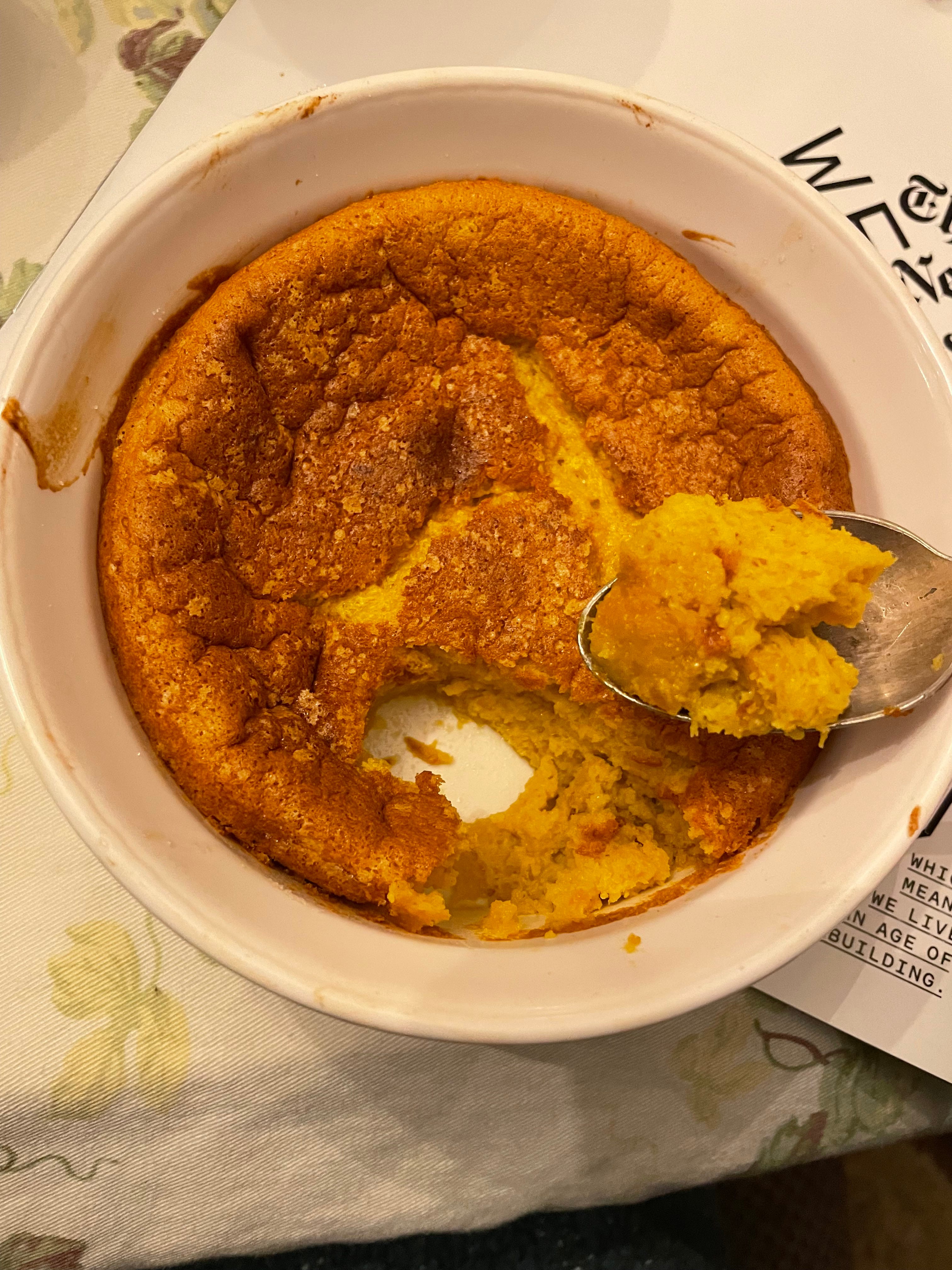
When it comes to ingredients, I have learned to work seasonally and take advantage of when things are plentiful or available to me. Make the apple pie in fall, yes, but also when there’s a 10# box of bruised honeycrisps for cheap (similarly, I tend to make fruit pies and jams in the summer as a way of saving the lives of fruit I’ve had for awhile — rather than buying new fruit to make the pie!). If the recipe calls for buttermilk or sour cream and you only have yogurt, who the hell cares??? Use that yogurt up!
As far as equipment, yes, not everyone has, like, a stand mixer or a springform pan or even an oven! Saffitz has thought of this. While her first book Dessert Person is all baked recipes, her second, What’s For Dessert, is I believe only half baked recipes, the other half either being stovetop, refrigerated, or frozen. In all recipes, she forgoes a mixer whenever possible, and, when a mixer is needed, writes instructions for both a hand-mixer and a stand-mixer option. She includes baking times for a variety of bakeware (i.e., round cake vs square cake!). She wants you to know that what you have is not all that important — most of the time, having the basics is more than good enough.
Also! You might not even have access to her recipes, because you don’t have her cookbooks! Never fear! You can visit her YouTube channel, where she cooks through recipes in both books, each video listing all the ingredients, amounts, and steps. Because she is an angel on Earth.
(Pro tip tho?? Libraries have cookbooks, if you’ve got like a dinner party coming up and want some further inspo!)
4. Some ingredients matter; some do not
For example: you cannot make ice cream with skim milk instead of whole, and you cannot make croissants with American-style butter — both because the fat content matters! In the case of butter, the European standard for the percentage of milk fat has to be at least 82%, whereas in the US it’s only 80%. This 2% makes a big difference — more fat means less water, which means softer texture and a quicker melt.
Always use fresh spices or smell them to make sure they’re not off. Your bread will be better with bread flour, because bread flour has a higher protein content which helps gluten strands form.
However, do you need to abandon ship because you don’t have cardamom, or because you have light brown sugar instead of dark? Nah. There’s a big difference between ingredients that might affect taste, and ingredients that might affect composition.
5. Attitude matters
Oh God. Baking is very very affected by the attitude you bring to it. When I mess shit up, I’d say it’s like 8 / 10 times because I’m not in the right frame of mind to be baking. Every time I bake with love in my heart and patience in my hands, it turns out better. There are many times I have a plan to bake a certain thing at a certain time, but then when the time comes, I’m like, I know I can’t do this right now, because I don’t have love in my heart. But when I’ve got my little speaker playing evermore and it’s raining and my coffee is perfectly hot? Omg, the vibes are ripe, heart is full.
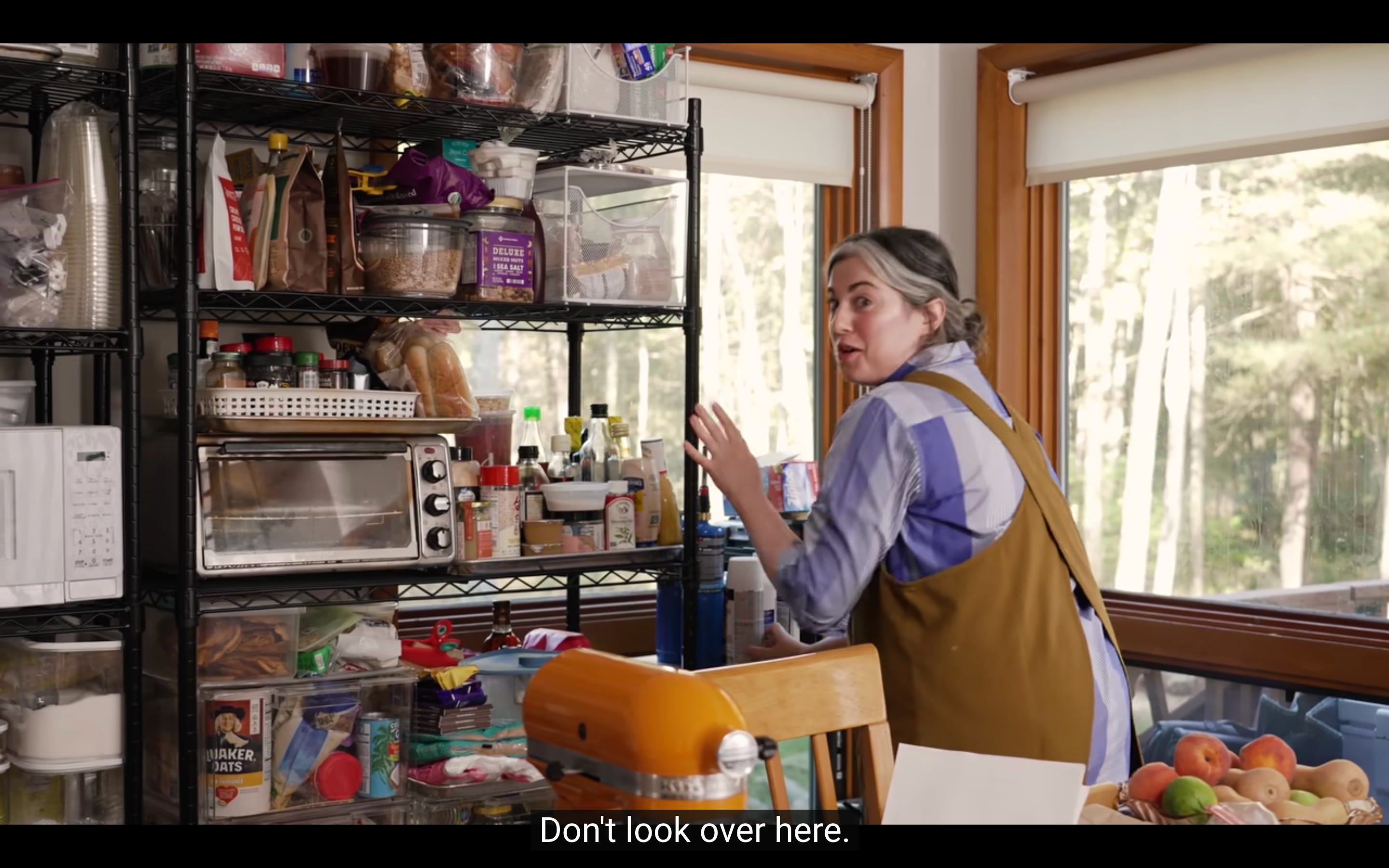
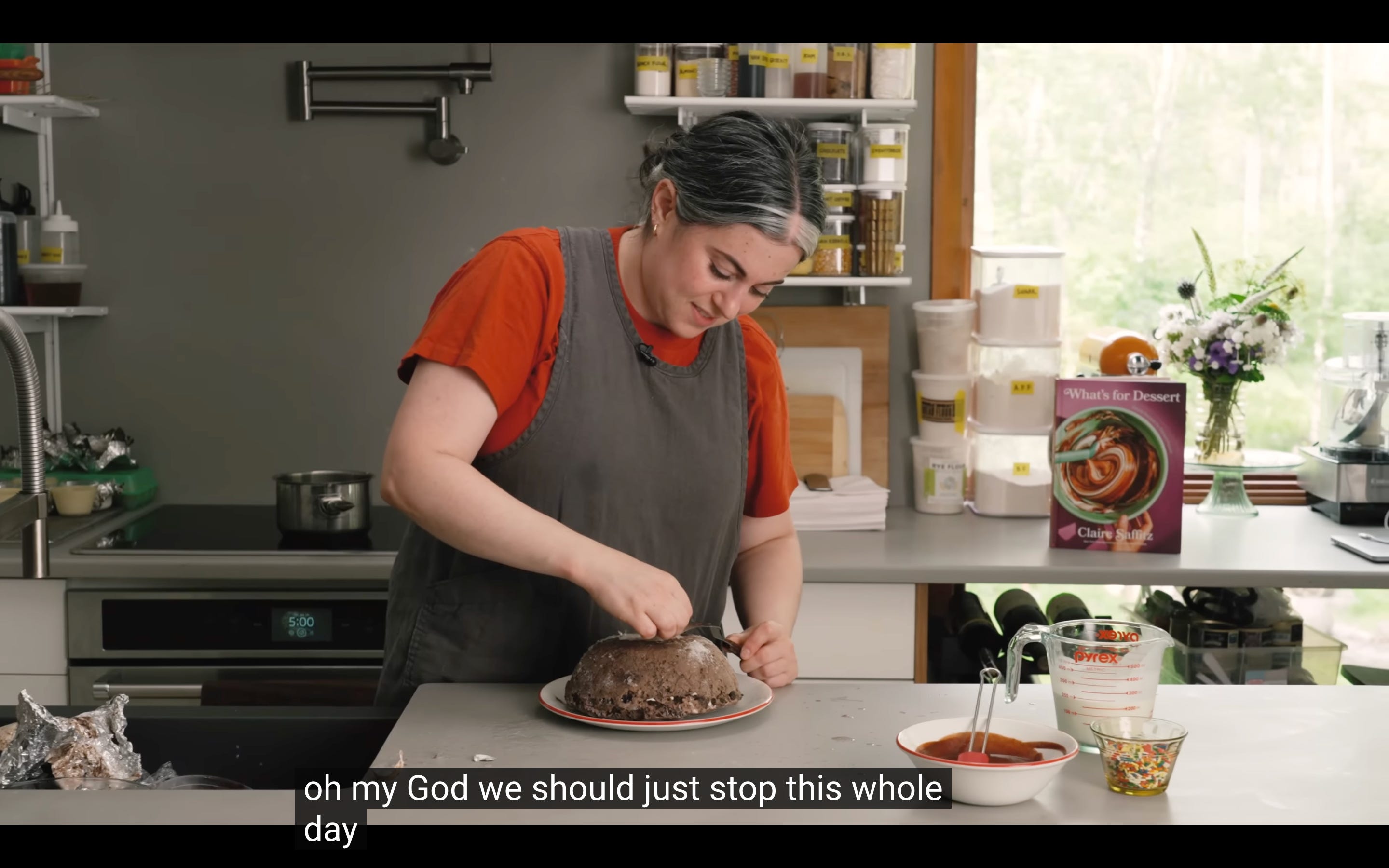
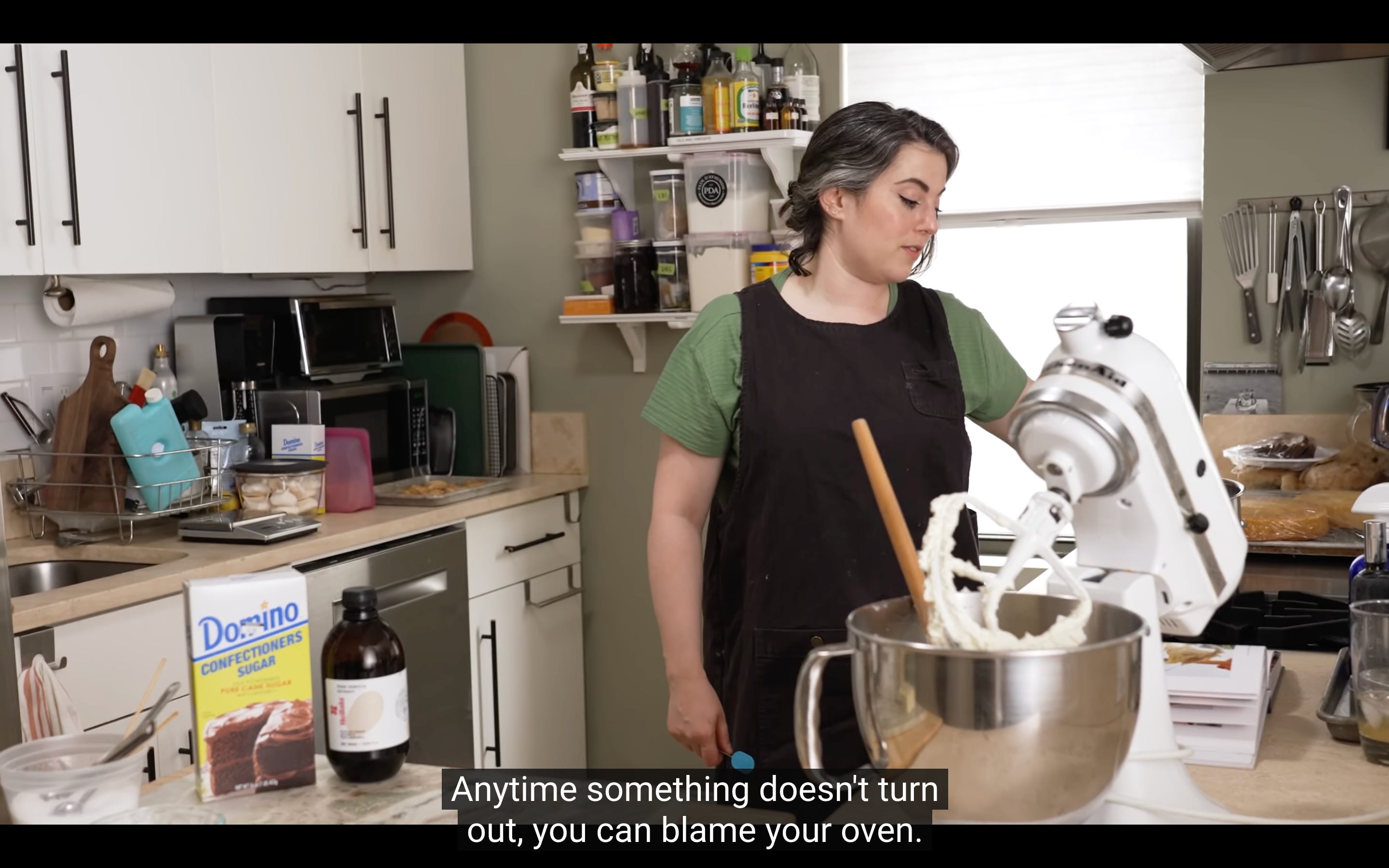
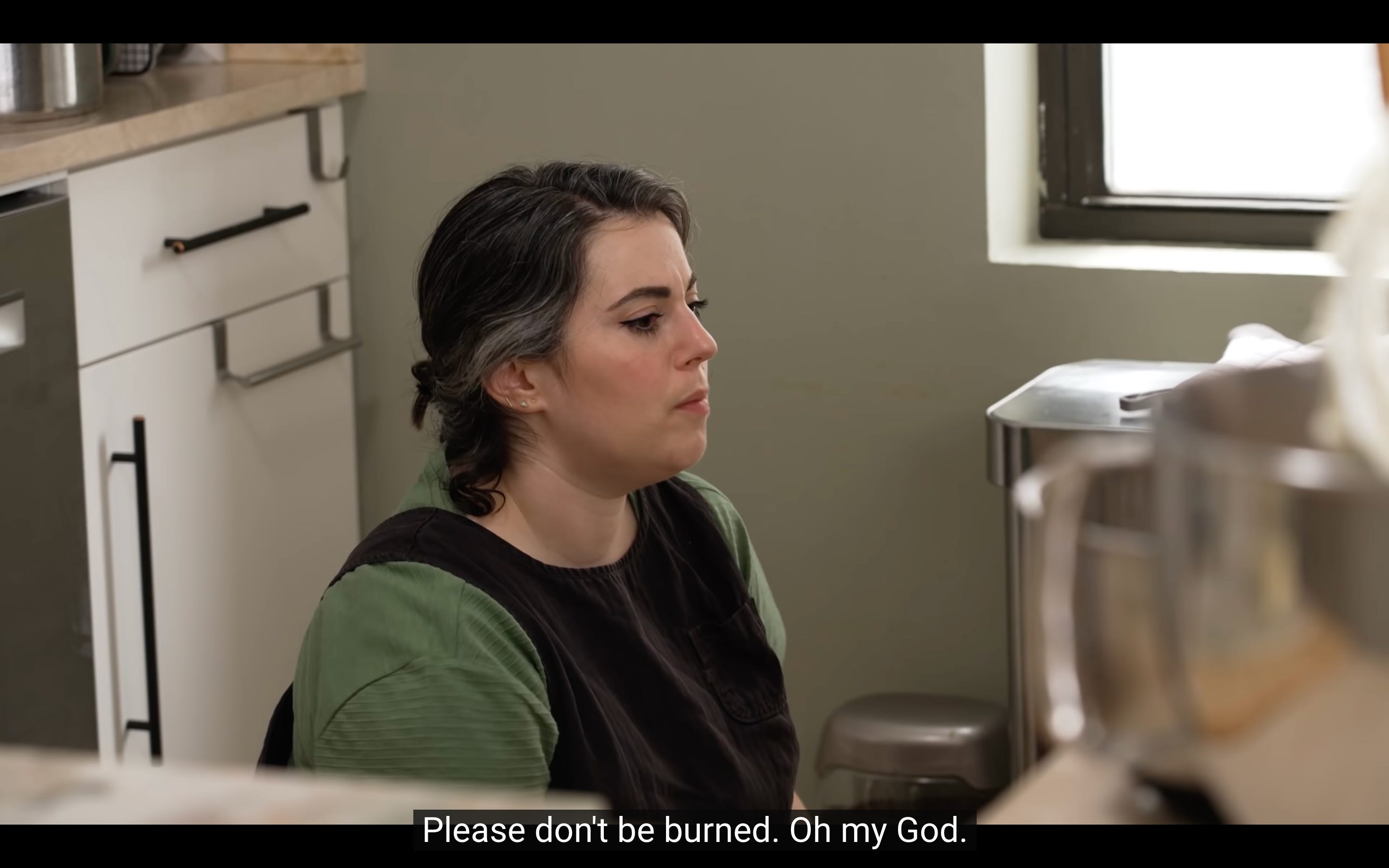
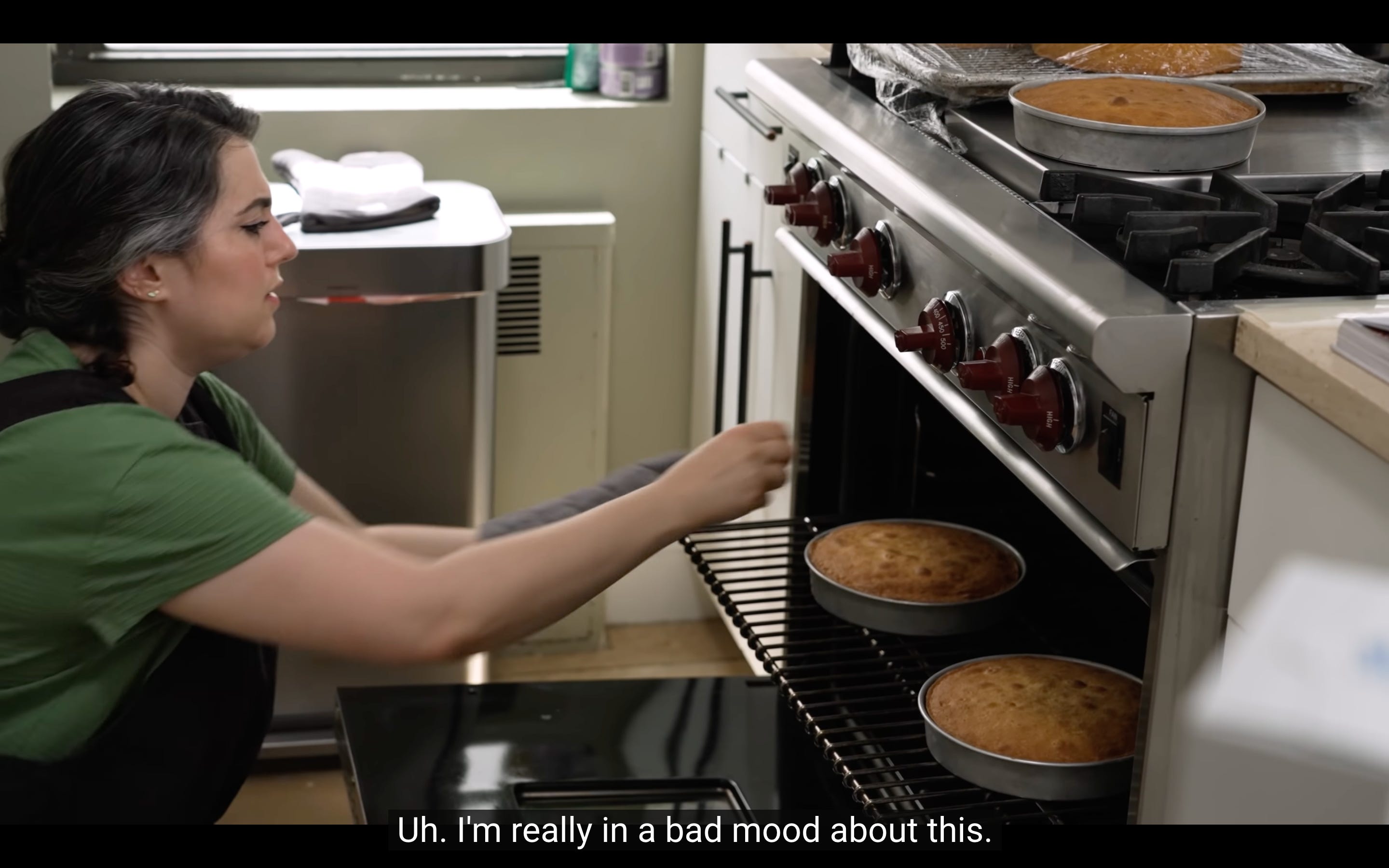
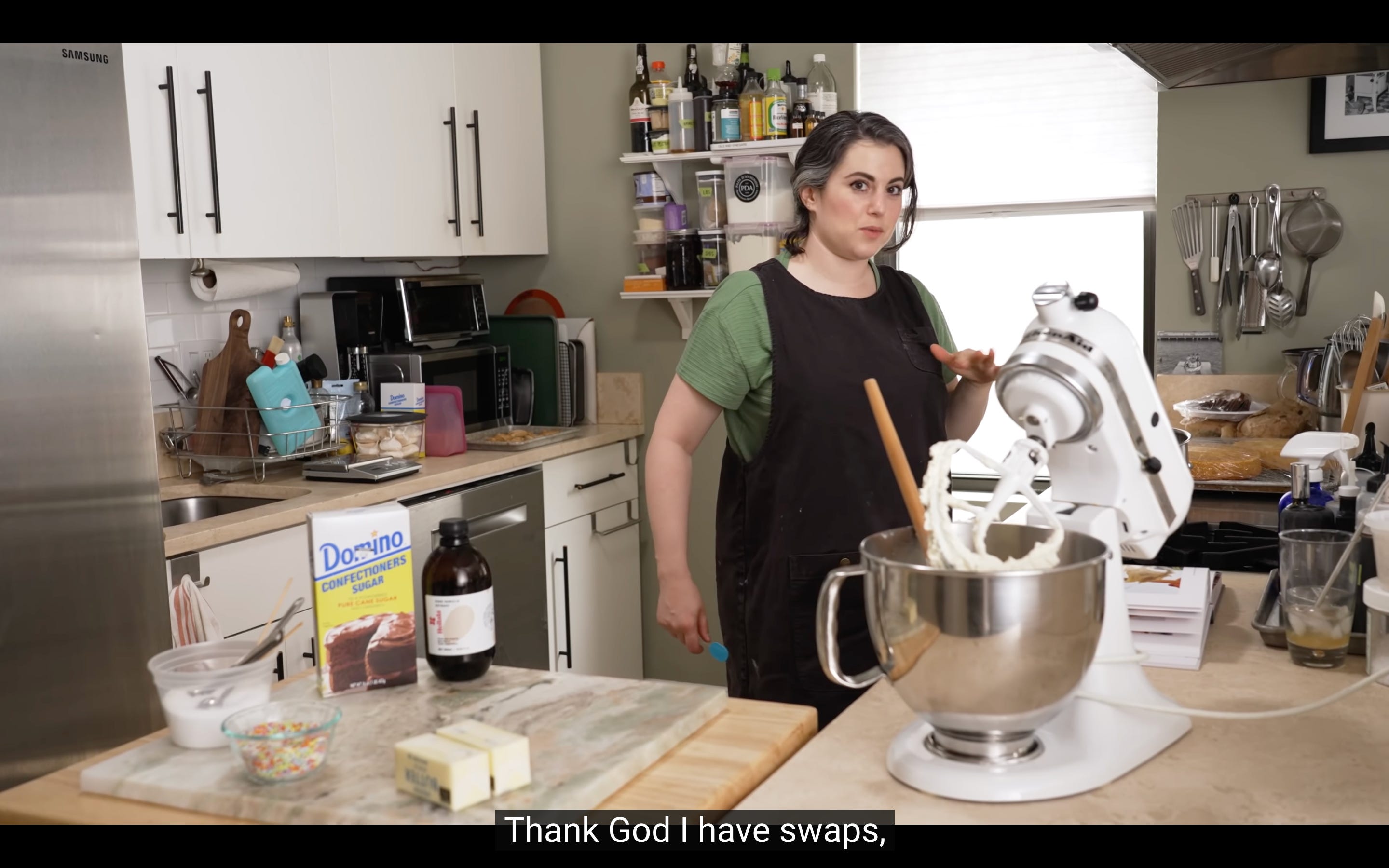
But this is also why Saffitz’s videos are delightful and so helpful to see, because there are times where you can tell she is fighting for her life, and persisting in the face of mishaps. Her lighthearted attitude toward baking is infectious.
6. Pay attention
I guess this is kind of similar to use your instincts, but really, baking has made me notice things more, especially when I get to the point that I’m making a recipe multiple times. Like — maybe my sourdough isn’t rising because my starter is dead, and I need to spend two weeks re-feeding it daily. Maybe the dough is being incorrigible because it’s too warm or too cold, and either needs to go back in the fridge for a hot sec or needs a second to relax.
I know my general vibe thus far has been to advocate for more free-ball baking, but that doesn’t mean I don’t pay attention to the recipes. It’s sort of in my nature to rush through directions, and baking has taught me to fight against that.
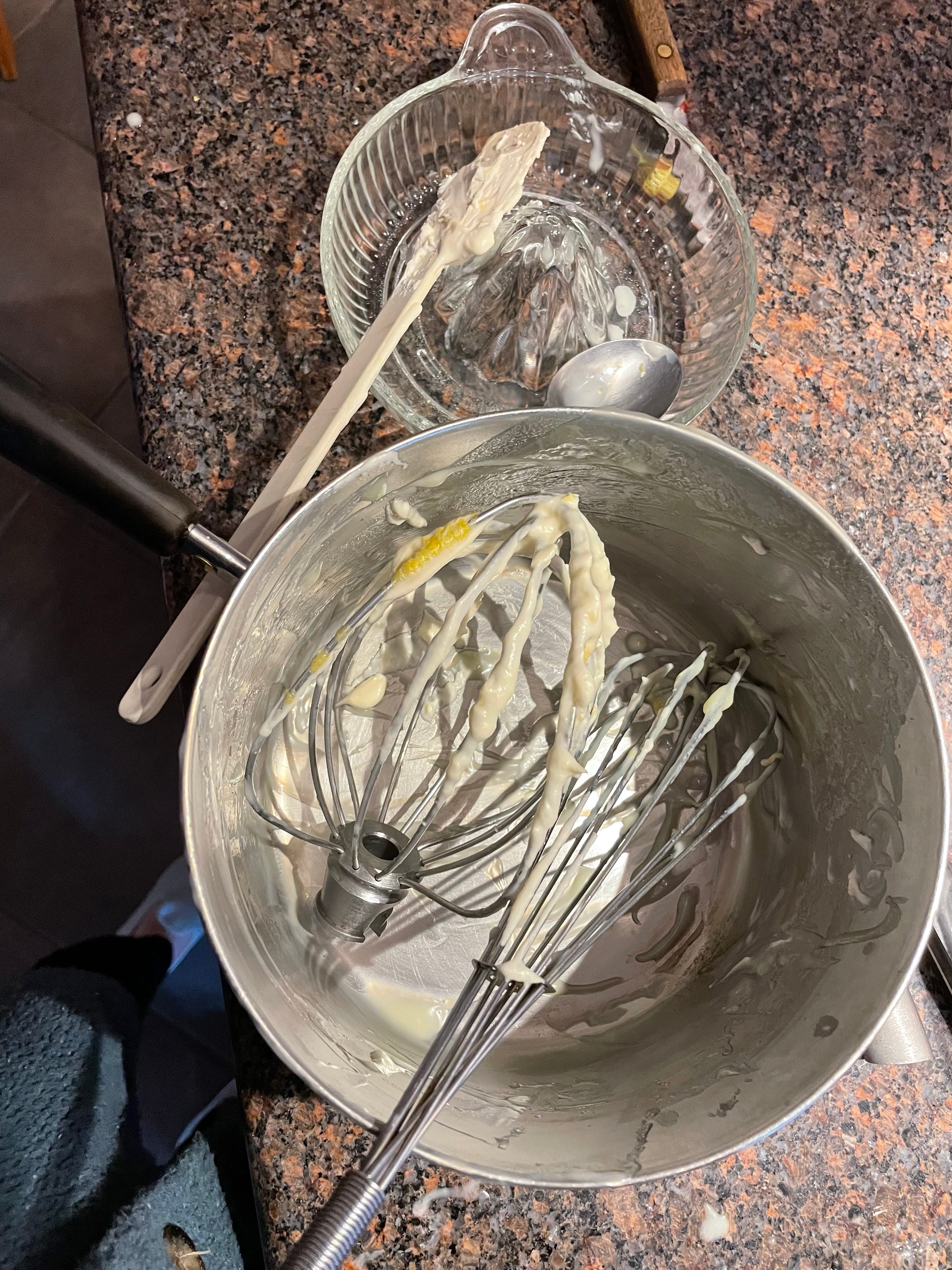
Like, remember the grapefruit bars? So after reducing the filling on the stove, Saffitz places a lot of emphasis on chilling it in an ice bath. The novice baker version of me might have been like — does the temperature really make that big of a difference? In a surprise to no one, it does! Because your next steps are to whip the filling into cream cheese, and when the filling is cold, it whips into a really thick, light, airy mixture, which wouldn’t happen if it was warm or even room temp.
7. Do what YOU want!
Saffitz makes her chocolate chip cookies with a mix of milk and dark chocolate, because her preference is a slightly sweeter taste. Me? I don’t like milk chocolate! So I opt for all semi-sweet/dark chocolate chips, and my cookies are perfect for what I want.
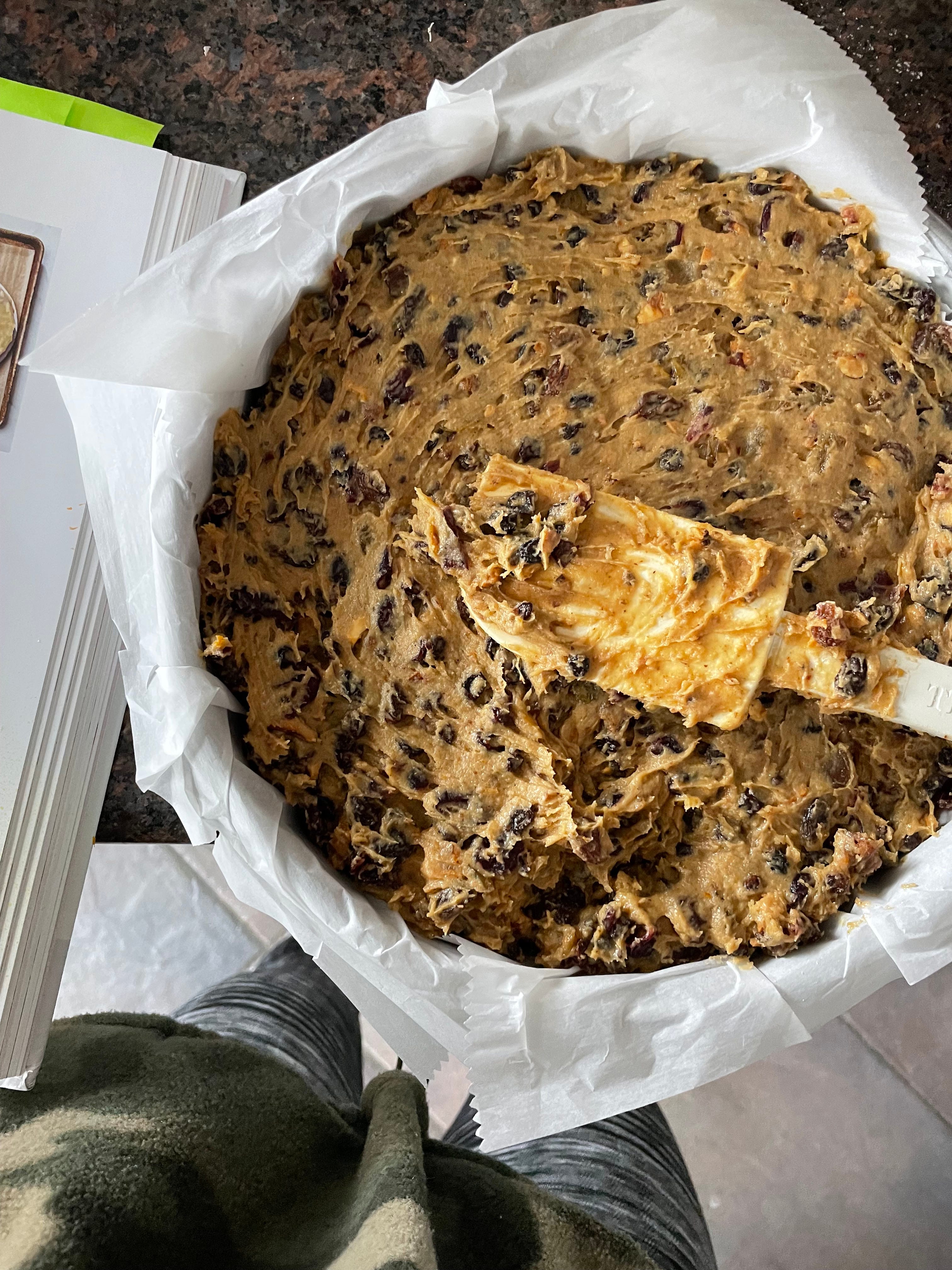
Last December, I was craving spiced fruitcake, but Saffitz’s recipe asks you to bake the cakes in October so you can feed them with brandy every week and then seal with jam and royal icing so they last forever. But I was like, tbh, I’m just going to eat this cake, so it really doesn’t matter to me how long it lasts. So I halved the recipe to one cake instead of two, fed it with brandy a couple times, then just started eating it, without the jam or icing shebang. It was exactly what I wanted, and still lasted a long time because the fruit still gets macerated in brandy before being baked in the cake!
8. Everyone fails
You’ll nail things on the first try, and it maybe won’t be until your fifth time doing something that it totally fails. Saffitz has said many times before that she still struggles with sourdough, for example, because of all the environmental factors involved. I like that about baking — even the experts have trouble.
Baking is also something in which doing things incorrectly is in fact the oNLY way you learn. This is the part of failure, more generally, that is always taken for granted — it’s the only surefire way to get good at something. It’s only in doing something wrong that you can fully understand how to do it right.
And when something goes wrong, it doesn’t mean that you are bad at baking — you just encountered a circumstance that was hard to forsee without knowing to forsee it, and once you encounter it, you intrinsically understand why it happened.
9. DESSERT IS NOT “BAD” FOR YOU.
I assume you wouldn’t have made it this far if you thought it was, but, still, let me preach to my choir.
Like, consider what you’re doing when you bake — you have eyes on every single ingredient going in. Homemade desserts > processed anything, any day!!
And anyway, Saffitz has taught me to embrace desserts as part of a balanced diet and happy life. They aren’t part of a “cheat day” and they don’t need to be “worked off” later. My favorite part of her videos is when she mentions not having had a “lunch dessert” yet.
Part of this attitude is an expansion of what “dessert” even means; sometimes it’s a handful of blueberries at lunch, sometimes it’s buttered bread at night, sometimes it’s a slice of cake at breakfast. It’s the notion that sustenance itself, regardless of what it is, is better for you than not being sustained.
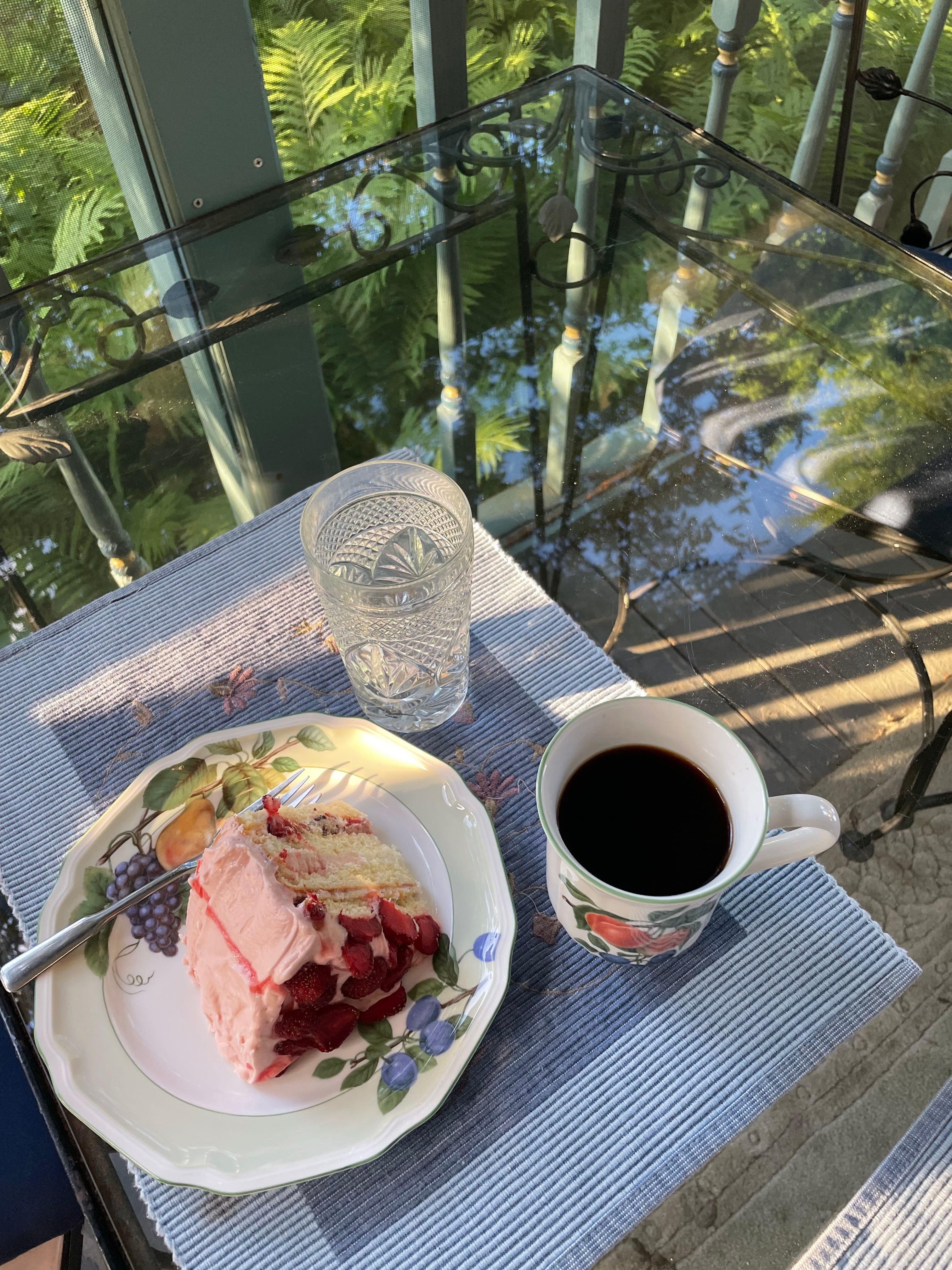
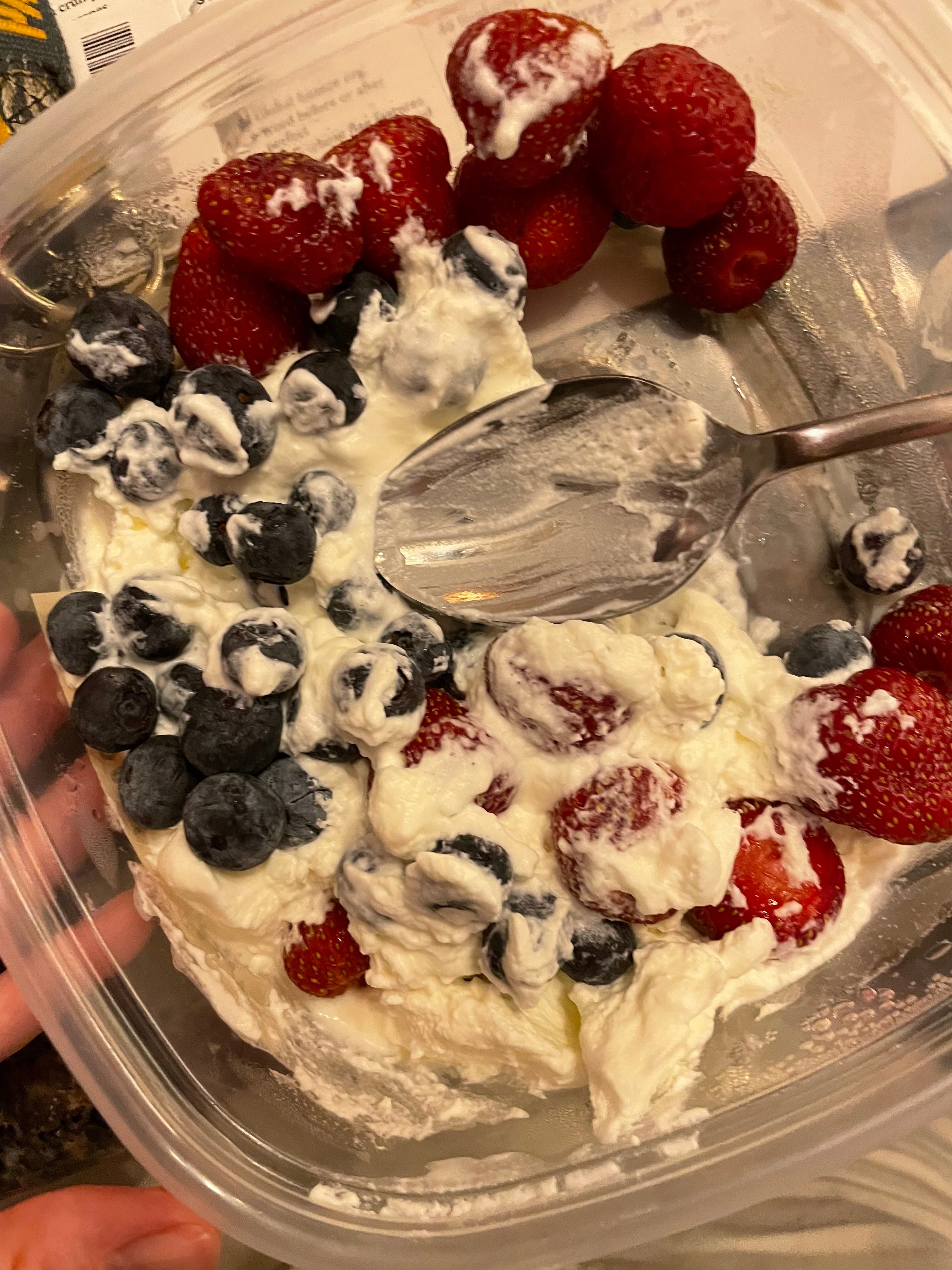
Secret: I really do love to bake. I know earlier I said I didn’t. But there really is something about it I have always liked. I like the feeling of a preheating oven; I like seeing a cookbook open next to a mug of coffee. I like its quiet way of showing love. I like hearing Saffitz say, about her degree in early culinary history, how some recipes really haven’t changed at all in hundreds of years.
Might you love it too? Might you choose a Dessert Person video and tell me how it goes? Might you attempt something you never thought you would, just for the hell of it, just because life is too short and because even if it fails, there’s an 85% chance it’s still edible and still, even, pretty forking good?
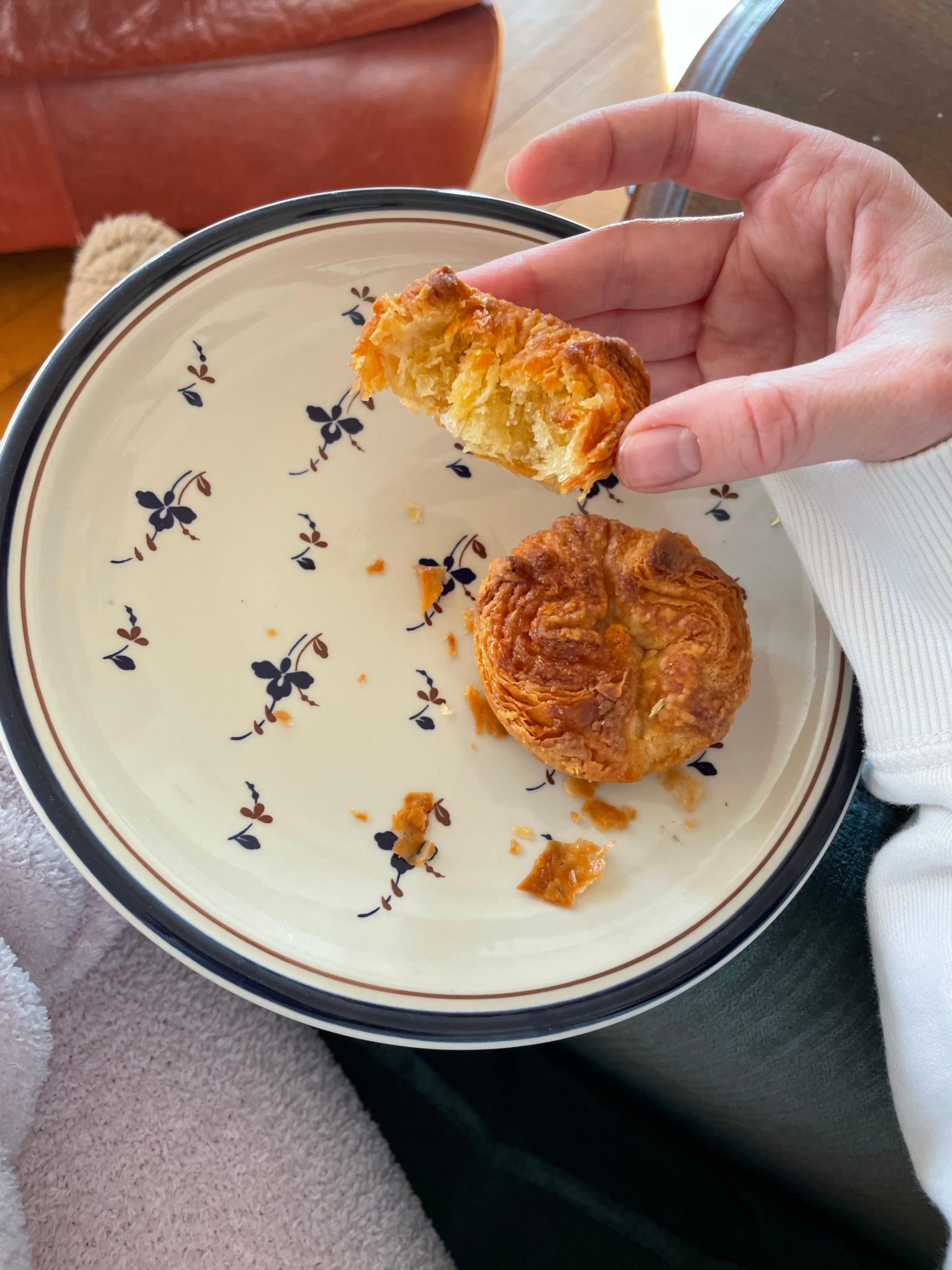
If you do, you know where to send your pics!
this has been —
xxx your twin flame
I like baking I just have the dumbest kitchen on earth with like a 12 inch square of work space. But fine, I'll try some cookies this weekend. FINE!!!! xo fun as always
can confirm: that kouign-amann was, undoubtedly, the best treat ever. and the tahini challah!!! oh my.